Wednesday of the Seventh Week in Ordinary Time
Lectionary: 343
Sirach 4:11-19
Psalm 119:165,168,171,172,174,175
Mark 9:38-40
Where is the wisdom we have lost in knowledge?
― T.S. Eliot in The Waste Land and Other Poems
Look around you. Look within you. Gathered in the beautiful and fragile pieces of our lives, Wisdom is here.
- Wisdom is in the wood and stone of our homes that have stood witness day after day to our joys and sorrows, praises and lamentations.
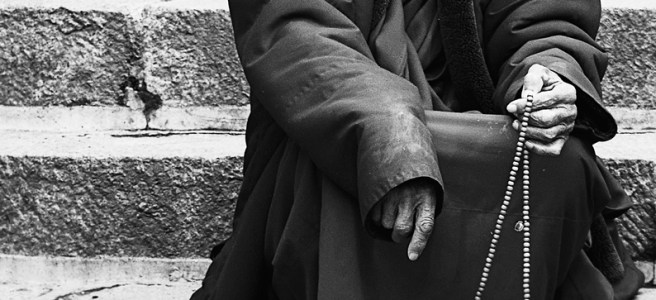
- Wisdom is in the books and rosary beads worn smooth from decades of prayer.
- Wisdom is in our tired bodies that often creak like wooden pews yet persist, nevertheless, in holding the spaciousness that welcomes God.
Wisdom is here.
In the time of the Hebrew Scriptures, wisdom was traditionally associated with rulers. In Proverbs 8:15, for example, it says that it is through Wisdom that “kings reign and princes decree justice”. Leaders such as Solomon were known for their wisdom and for praying that God might help them support and guide the people.
Yet in today’s passage from Sirach, something new is unfolding. The Wisdom about which Sirach speaks goes beyond this traditional understanding of Wisdom. Wisdom is something that not located in one leader or person but is present in all of creation.
Wisdom is here. Wisdom is in you, wisdom is in me, and wisdom is in the “we”.
Jesus echoes this turn in understanding Wisdom when in Mark 9:38-40 John confronts him with the news that non-disciples are healing people in Jesus’ name. Jesus’ response is open and spacious, unthreatened and sure. He affirms the power of God within not only those “officially designated” to act in his name, but all who embrace that deep inner call to follow the path of the Gospel. Like Sirach, Jesus understands that the gifts of God are not for the designated few, but for all.
Wisdom is here.
This Wisdom that we hold, and which holds us, is indeed the greatest of all gifts. Recall how Solomon, who as King could ask for anything and make it happen with all his power and money, asked only for this – Wisdom – not for self-serving rewards like long life or the death of his enemies, but for Wisdom.
My dear sisters and brothers and kin, we live today in deeply troubled times. It seems that Wisdom itself has been fired from its job. It is understandable that in the face of chaos and overwhelm, we respond again and again with the words, “I don’t know”.
“I don’t know what to do”.
“I don’t know how to survive this”.
“I don’t know how to help”.
“I don’t know how to make a difference”.
It feels awful to say, “I don’t know”, yet these three words are not words of resignation, nor of weakness, nor of inaction. No. In fact, these words are powerful beyond measure.
“I don’t know” is the doorway to Wisdom. It is the soul opening up to the more, the depths, the spaciousness within which we must dwell always, but most especially in troubling times.
Wisdom calls us to discern, to see things from God’s perspective. We must trust that what we need to know, what we need to do, will emerge. And as Sirach writes, when we trust Wisdom, wisdom will reveal to us “treasures of knowledge and an understanding of justice.” (Sirach 4:17-18)
Wisdom is here. Wisdom is in you, wisdom is in me, and wisdom is in the “we”.
Remember who you are, and whose you are. Speak the power of the words “I don’t know” and allow yourself to sink deeply into the Wisdom that is breathing within you. Speak the words “I don’t know” again and again and explore that emptiness – “Wisdom’s inmost chambers” as scripture says – within which God reveals Godself. Speak the words “I don’t know” in the solitude of your heart and in the midst of community.
Wisdom is here.
.
image : “Worn Wisdom” by Aaron Greenwood on Unsplash

 julie vieira